Was Lord Of The Rings Filmed In Glenorchy?
Yes, Glenorchy hosted Lord of the Rings filming. Here is what DOC and Tourism New Zealand actually say was shot there, which tours visit those spots, and what it costs.
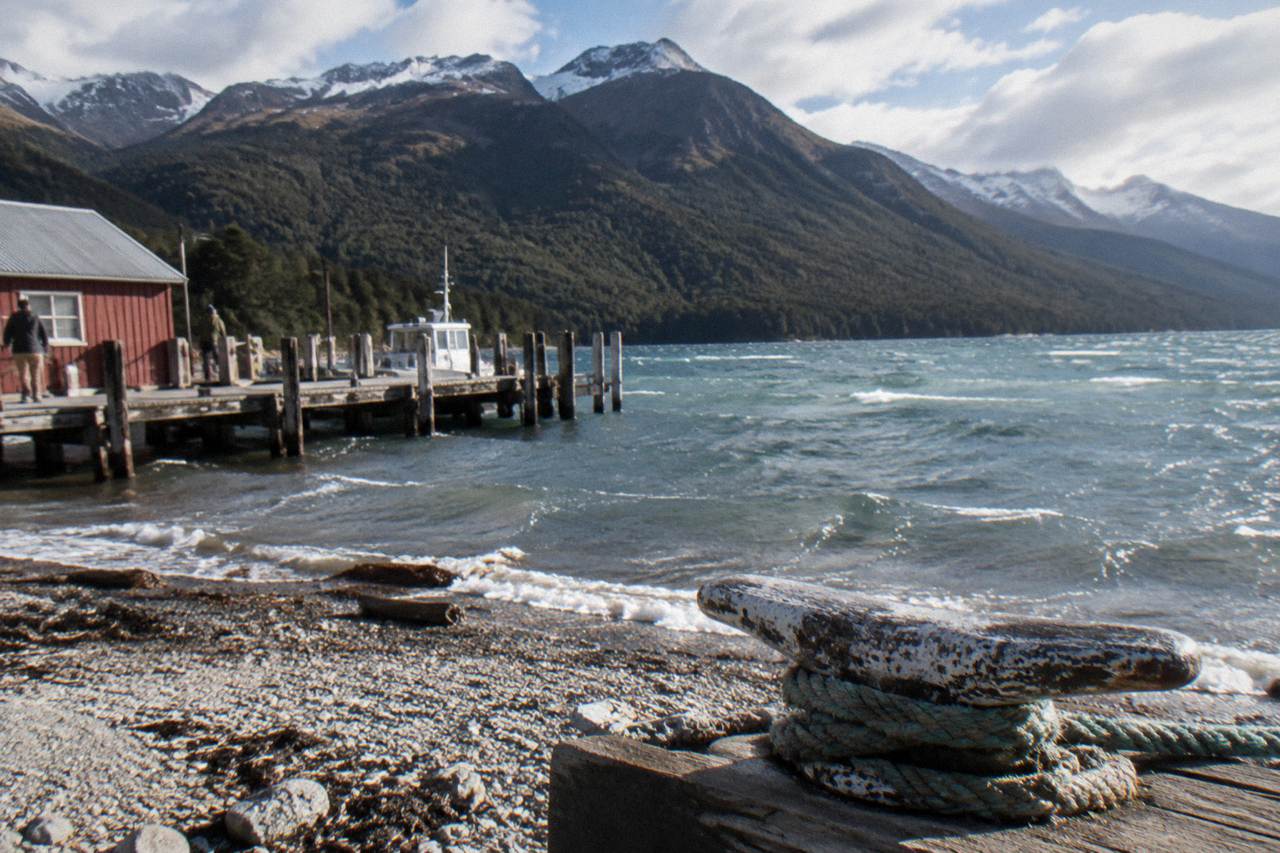
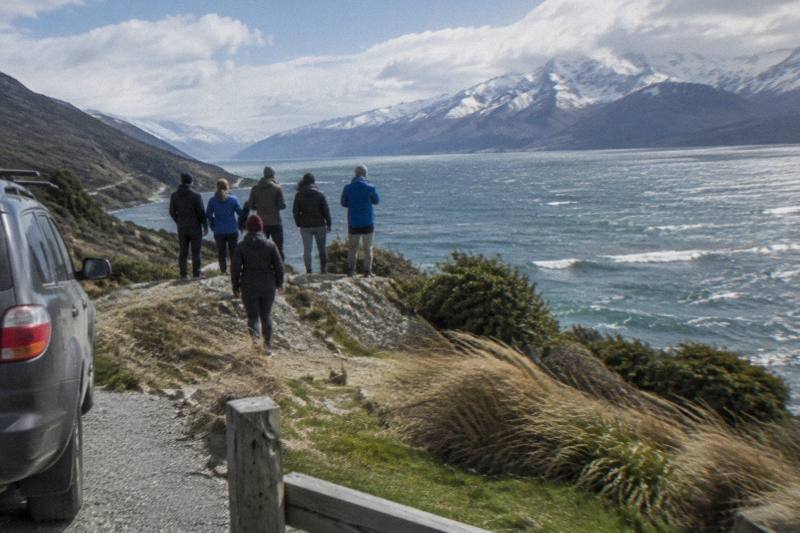
Yes, Glenorchy was used for Lord of the Rings filming, and two official sources confirm it. Tourism New Zealand says that from Glenorchy you can see the north-western slopes of Mount Earnslaw, which featured in the opening sequence of The Two Towers, and that Lothlorien, the beech forest on the road to Paradise, is discovered from Glenorchy. DOC lists two Otago locations with Glenorchy road access: Isengard and the Ithilien camp.
That is the direct answer, but the detail matters more than the headline. Glenorchy is a small settlement at the northern end of Lake Wakatipu, about 46 km from Queenstown by the lakeside road (DOC's brochure says 48 km), and it sits at the gateway to Paradise, the Dart Valley and Mount Aspiring National Park. That stretch of country, not a studio backlot, is what the cameras came for.
What trips many readers up is that the internet is full of confident, conflicting lists of what was filmed exactly where. One site will pin a scene to a paddock; another will put the same scene a valley away. The honest position, and the one this article takes, is to report what each source actually says and to flag where the sources disagree rather than papering over it. DOC and Tourism New Zealand agree on some locations and part company on others, and the commercial tour operators publish stop lists that differ from both.
The practical payoff is that several guided tours run from Queenstown to the very places DOC and Tourism New Zealand name, and their booking pages list their own stops.
For context on the wider question, Tourism New Zealand says "over 150 real New Zealand locations were used" across the trilogy, which Peter Jackson directed, released between 2001 and 2003. Glenorchy's share of that number is a handful of spots, which is why half a day is enough for a guided visit and why a full day adds Arrowtown, Gibbston and Skippers Canyon into the itinerary.
What Does DOC Say Was Filmed Around Glenorchy?
DOC's Lord of the Rings locations page lists two Otago entries reached by Glenorchy roads. Isengard, the scene of Gandalf riding up to Nan Curunir, is listed at Dan's Paddock with access from the Glenorchy Paradise Road. The Ithilien camp, where Frodo, Sam and Gollum watch the battle between Faramir's Rangers and the men of Harad, is listed at Twelve Mile Delta with access from the Glenorchy Queenstown Road.
Those two entries are the backbone of any claim that the trilogy filmed in the Glenorchy area. Its page also carries a caveat worth knowing: the coordinates it publishes come from Ian Brodie's "The Lord of the Rings Location Guide Extended Edition" and DOC staff estimates, which is why this article prints no coordinates and treats the place names, not map pins, as the record. The same DOC page lists other Otago sites outside Glenorchy: the Ford of Bruinen at Skippers Canyon, the Argonath at the Kawarau Suspension Bridge near Gibbston, and Dimrill Dale at Lake Alta in the Remarkables. You can read the full list on DOC's Lord of the Rings locations page.
| Location | DOC entry | Access road listed by DOC |
|---|---|---|
| Isengard (Dan's Paddock) | "Gandalf rides up to Isengard in Nan Curunir" | Glenorchy Paradise Rd |
| Ithilien camp (Twelve Mile Delta) | Frodo, Sam and Gollum watch the battle of Faramir's Rangers | Glenorchy Queenstown Rd |
| Ford of Bruinen (Skippers Canyon) | "Arwen defeats the Nazgul by conjuring up a flood" | Skippers Rd |
| Argonath (Kawarau Suspension Bridge) | "The Fellowship pass the Pillars of the Kings on the Anduin River" | Chard Rd, off Gibbston Highway |
| Dimrill Dale (Lake Alta) | "after the Fellowship exits the Mines of Moria" | Remarkables ski area turn-off from SH6 |
Two caveats on that table. First, DOC's material does not settle the land status of Dan's Paddock, so treat any tour that promises you will stand on it with caution, and confirm access details with the operator before you book. Second, DOC deliberately does not list everything: it places Lothlorien's Fellowship-departure scene at the Mararoa River swingbridge at South Mavora Lake in Southland, not at Glenorchy, and it places Fangorn Forest in the south as well. That matters for the next section.
What Does Tourism New Zealand Say About Glenorchy?
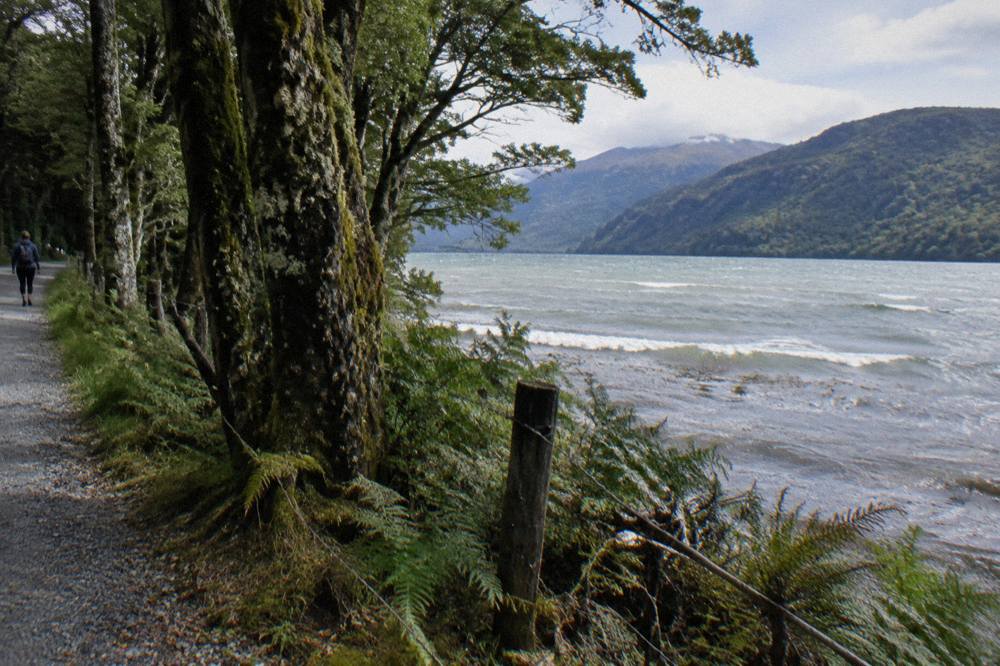
Tourism New Zealand's filming-locations feature says two things about Glenorchy specifically. The village offers views of the north-western slopes of Mount Earnslaw, which featured in the opening sequence of The Two Towers, and from Glenorchy you can discover Lothlorien, described as the beech forest on the road to Paradise. The same feature ties Arrowtown and Gibbston to other scenes in the wider Southern Lakes area.
The Lothlorien point is where careful readers notice the sources overlapping rather than clashing. Tourism New Zealand's Glenorchy Lothlorien is the beech forest on the Paradise road; DOC's Lothlorien entry covers a different moment, the Fellowship leaving Lothlorien, at South Mavora Lake. Both are real statements from credible sources about different scenes, so the honest summary is that a Lothlorien scene is credited to the Glenorchy area by Tourism New Zealand and a different Lothlorien scene to Southland by DOC. Anyone promising one exact "Lothlorien forest" to stand in is overselling what the record supports. The full feature is at Tourism New Zealand's filming locations page.
Tourism New Zealand's material goes further in places, and this is where the disagreements begin. Its "Elven Magic" itinerary says Peter Jackson used the Glenorchy area for Isengard, Lothlorien and Fangorn Forest, and that nearby Paradise was the setting for Beorn's House in The Hobbit: The Desolation of Smaug. Yet DOC places Fangorn in the south, and Tourism New Zealand's own Hobbit page captions Beorn's House "Queenstown" with text about Earnslaw Burn. Amon Hen is similarly unmoored: the Crown Range summit viewpoint text says Amon Hen lies in the distance, while tour operators list it on Glenorchy itineraries. This article states none of those three as settled fact, because the sources themselves do not settle them.
The Mount Earnslaw claim, by contrast, is clean and consistent, and it is the one you can verify with your own eyes from the Glenorchy wharf area on a clear day. That is a useful test of any filming-location claim: if an official source names the sightline rather than a fenced paddock, you can check it yourself for free.
Which Tours Stop At The Places DOC Names?
Several guided tours from Queenstown stop at Twelve Mile Delta or Paradise, per their own booking pages. Nomad Safaris' half-day 4WD tour lists Paradise for one hour and 12 Mile Delta for 20 minutes, from $183.32 per person. Pure Glenorchy's most-reviewed tour, "Isengard Finish, Tea and Costumes" at 4.9 across 1,543 reviews, lists Isengard Lookout for 20 minutes and Twelve Mile Delta, from $124.26 per person.
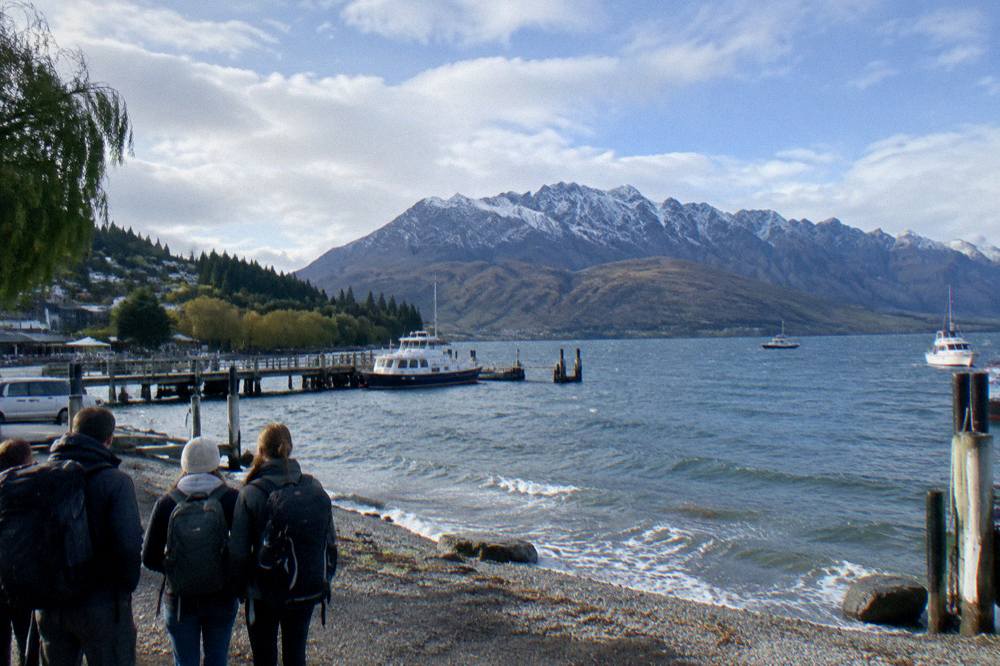
The key discipline when comparing these trips is that each operator's stop list belongs to that operator only. Nomad Safaris' booking page says its tour visits filming locations "selected by director Peter Jackson and showcased in The Lord of the Rings movie trilogy" and names photo stops it describes as the Fortress of Isengard and the Forest of Amon Hen, Paradise as the site of the Forest of Lothlorien, and 12 Mile Delta as Ithilien Camp. Those are Nomad's words about Nomad's route. Pure Glenorchy's pages carry different wording, and its two booking pages differ from each other: the "Isengard Finish" page lists Isengard Lookout as its last stop and does not name Paradise, while its "Small Group, Twelve Mile Delta First" page says the route heads up the Dart Valley through "Paradise" to Isengard without a timed Paradise stop.
Altitude Tours runs two Glenorchy half days as well. Its "Mercedes Van, Wi-Fi and Maori Stories" page lists Paradise for 45 minutes and the Glenorchy-Paradise Road for a full hour, though that page names no film at all, only "famous movie locations". Its "Morning Tea Picnic, Optional Costumes" page does name The Lord of the Rings and says travellers view, in a location called Paradise, the locations of Isengard and Saruman's Tower, in that operator's wording.
The Nomad Safaris half day earns a separate mention for the way it travels. It is a small-group 4WD trip from Queenstown, with pickup from selected central accommodation to be confirmed with Nomad, light refreshments, and the costume and prop dress-up named on its listing. At 4 hours 15 minutes it is a genuine half day, not a compressed one. The trade-off against the small-group tours is price and intimacy: Nomad's from-price of $183.32 per person sits above Pure's $124.26 and Altitude's $105.28 to $107.24, and below it you get six guests rather than eleven or sixteen. If that trade sounds right, the site's fuller write-up at Nomad Safaris Lord of the Rings 4WD tour breaks down the itinerary stop by stop.
What Was Filmed At Paradise Specifically?
Tourism New Zealand's itinerary says Peter Jackson used the Glenorchy area for Isengard, Lothlorien and Fangorn Forest, and that "nearby Paradise was the setting for Beorn's House in The Hobbit: The Desolation of Smaug". DOC lists Isengard at Dan's Paddock, reached from the Glenorchy Paradise Road.
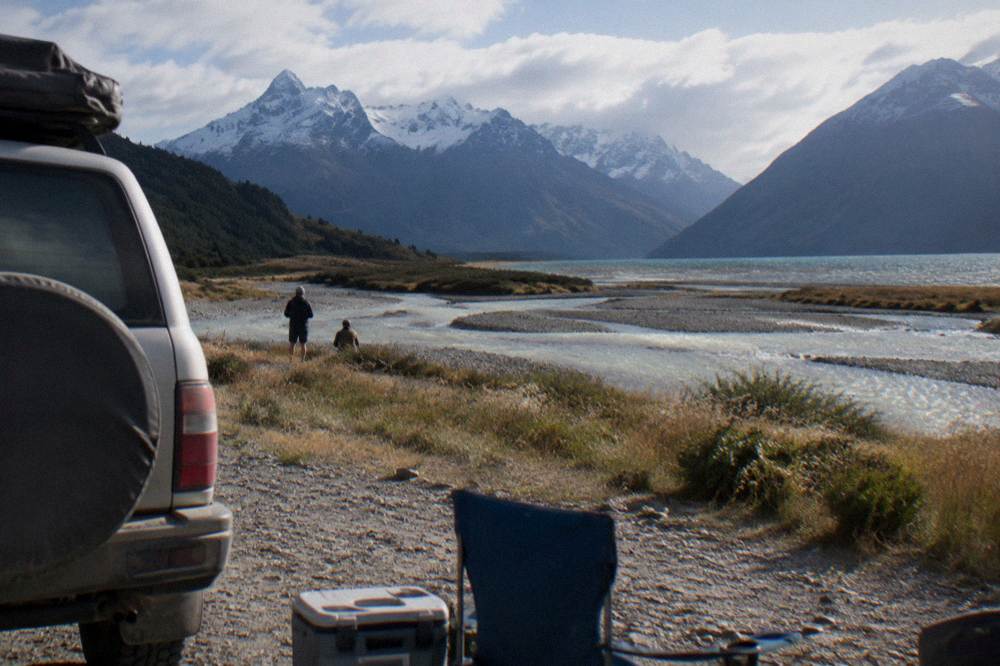
Paradise is a farming area beyond Glenorchy, up a road that DOC describes as gravelled beyond the sealed section. It is not a theme park. The Paradise Trust manages the property and sets the visitor rules: report and sign the visitor book at the office on arrival, pay a $5 per person tariff, and drive at walking pace. Drones are not permitted, and neither is photography or filming for commercial use. Those terms are published at the Paradise Trust's terms page, and they apply to you if you visit independently, not just to film crews.
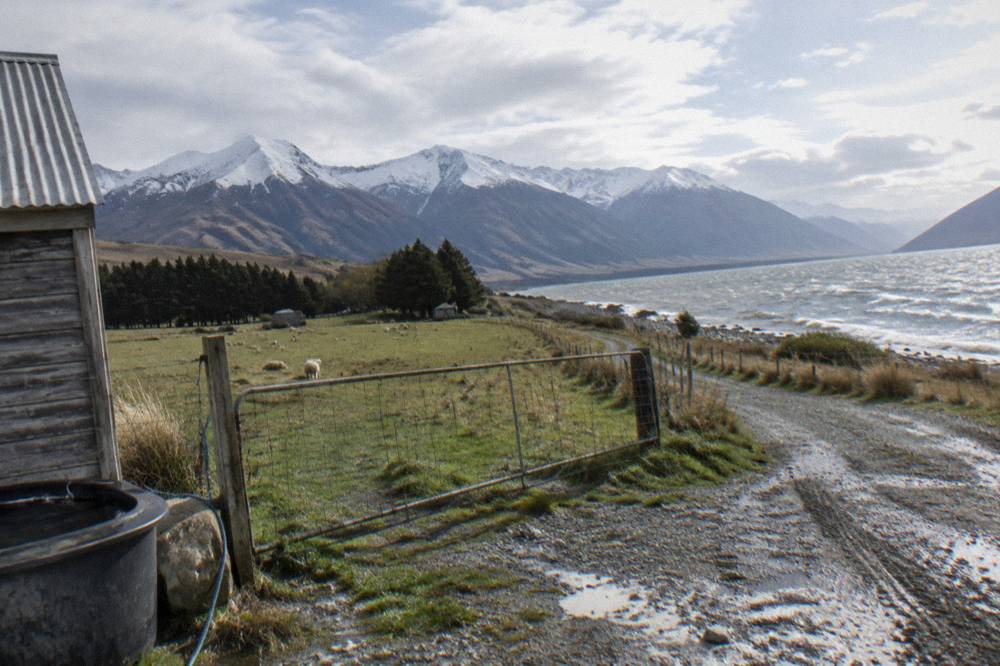
The Trust's film page also records, as its own statement, that Paradise has hosted film-makers in recent decades and that its most recent shoot was the Taylor Swift music video "Out Of The Woods". That is the Trust's claim about its own property, and it is the only Taylor Swift connection this article will print, because it comes from the landowner rather than a tour brochure. For the wider screen history of the Dart Valley, Dart River Adventures' own material says the valley "has been featured in films such as The Lord of the Rings and The Chronicles of Narnia: Prince Caspian", a one-line mention rather than a scene-by-scene claim.
Practically, six of the tours covered here list a timed Paradise stop on their booking pages, and they vary widely in how long they give you there. Nomad's full-day 4WD tour also lists Paradise for an hour, wrapped inside a 9-hour day from $378.28 per person that adds the Arrow River, Skippers Canyon and gold panning. Southern Trails' 10-hour full day lists Paradise for 45 minutes among ten stops stretching back to Arrowtown and Skippers Canyon, from $231.50 per person.
| Tour | Operator | Paradise time listed | Duration | From price |
|---|---|---|---|---|
| Half-Day 4WD, One Hour in Paradise | Nomad Safaris | 1 hour | 4 hours 15 minutes | $183.32 per person |
| Full-Day 4WD, Lunch and Gold Panning | Nomad Safaris | 1 hour | 9 hours | $378.28 per person |
| 10-Hour Full Day, Lunch Not Included | Southern Trails | 45 minutes | 10 hours | $231.50 per person |
| Mercedes Van, Wi-Fi and Maori Stories | Altitude Tours | 45 minutes | 4 hours 30 minutes | $107.24 per person |
| Private 5-Hour Film Locations Trip | Queenstown Panorama Tours | 20 minutes | 5 hours | $311.51 per group, up to 4 |
One more caution belongs here because Paradise is a working landscape: no operator can promise that a particular section, gate or track will be open on your day, and no article should either. Road conditions, weather and farm operations all have a vote, and the booking pages themselves describe itineraries rather than guarantee every minute.
Can You Visit The Glenorchy Filming Locations Without A Tour?
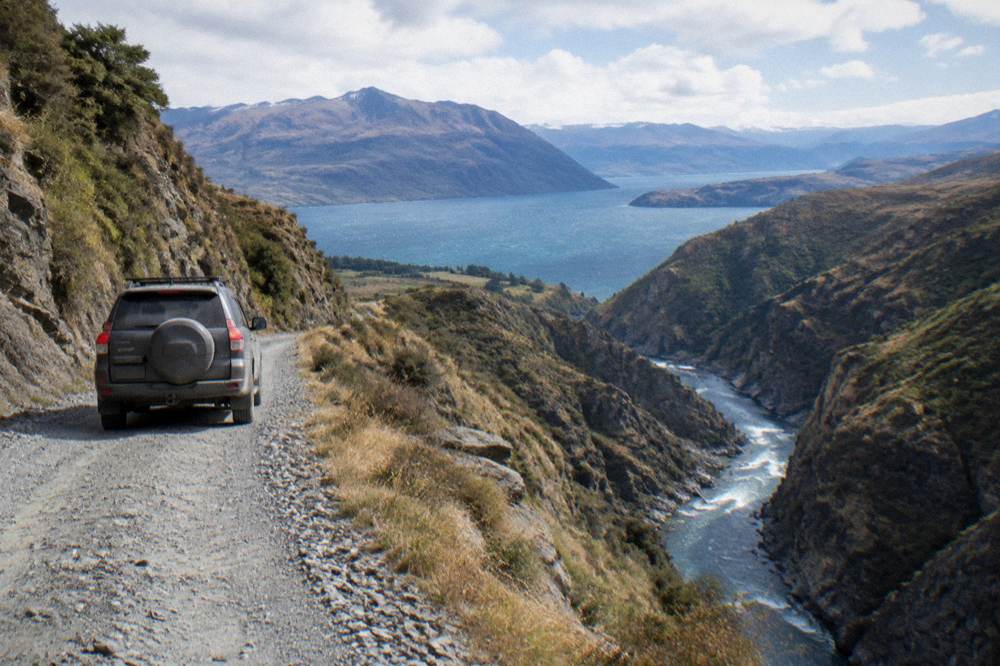
Yes, self-driving is possible. The drive from Queenstown is about 46 km along one road, taking 45 minutes to an hour per the Glenorchy Community's guidance, and Twelve Mile Delta sits beside the Glenorchy-Queenstown Road with a DOC campsite and track. Paradise involves a further gravel road, private land rules and a $5 per person Paradise Trust tariff, and no official drive time to Paradise exists.
The Glenorchy Community's getting-there page, at glenorchycommunity.nz, describes a well-signposted 46 km lakeside drive from the One Mile roundabout with one road in, and advises using safe pull-ins for photographs rather than stopping on the verge. DOC's head-of-lake brochure says "just 48 km". The two sources differ, so the honest answer is a range of about 46 to 48 km. Twelve Mile Delta, the DOC-listed Ithilien camp site, has public access via its campsite and the Twelve Mile Delta to Bob's Cove Track, and that same track is one several tours list as a stop.
Beyond Glenorchy the calculus changes. Paradise Road is gravel past the sealed section in DOC's wording, the destination is private farmland with the Trust's terms described above, and no official source publishes a drive time or road condition promise for it. Winter adds a further layer: the Queenstown Lakes District Council's winter road reporting notes that from winter 2026 drivers who fail to fit chains in snowy or icy conditions on council-managed roads may face a $750 fine, and that four-wheel drives are not necessarily safer on ice. That is on QLDC's winter road reports page.
This is the honest reason guided tours exist here, beyond the commentary. A 4WD operator with local knowledge removes the gravel-road judgment call, the parking question and the "which pull-in was that" guessing game, and the tour booking pages' stop lists at least tell you what you are buying. If you weigh both approaches, the site's comparison at Lord of the Rings self drive or guided tour Queenstown works through the trade-offs in full.
Do The Tours Agree With DOC And Tourism New Zealand?
Not always, and the differences are worth knowing before you book. Operators publish their own stop lists and their own film wording, which sometimes matches DOC exactly, sometimes matches Tourism New Zealand, and sometimes goes further than either. Nomad Safaris lists Fangorn Forest on its Glenorchy page, for example, while DOC places Fangorn in the south and Tourism New Zealand mentions it only in an itinerary line.
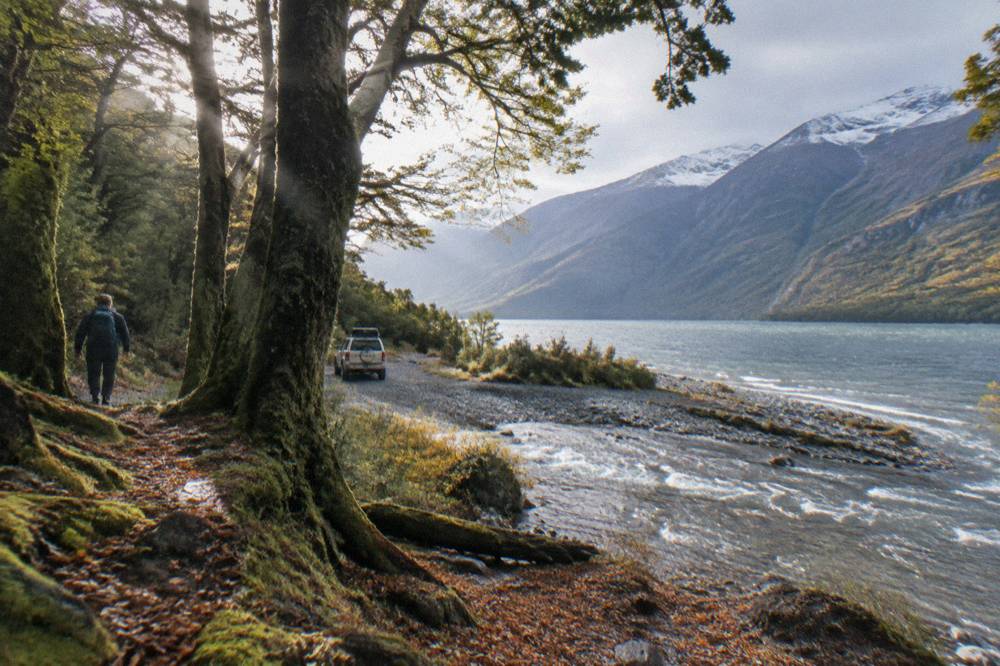
None of that makes the operators dishonest. Their pages describe the landscapes you will see and the names the films gave them, and a stop described as a given forest or fortress is a photo stop at real scenery, not a visit to a set. Nothing was built to last: the productions struck their sets, and what remains is the country itself. A separate article on this site, Is There Anything Left To See At The Lord Of The Rings Locations In Glenorchy, takes that question in detail.
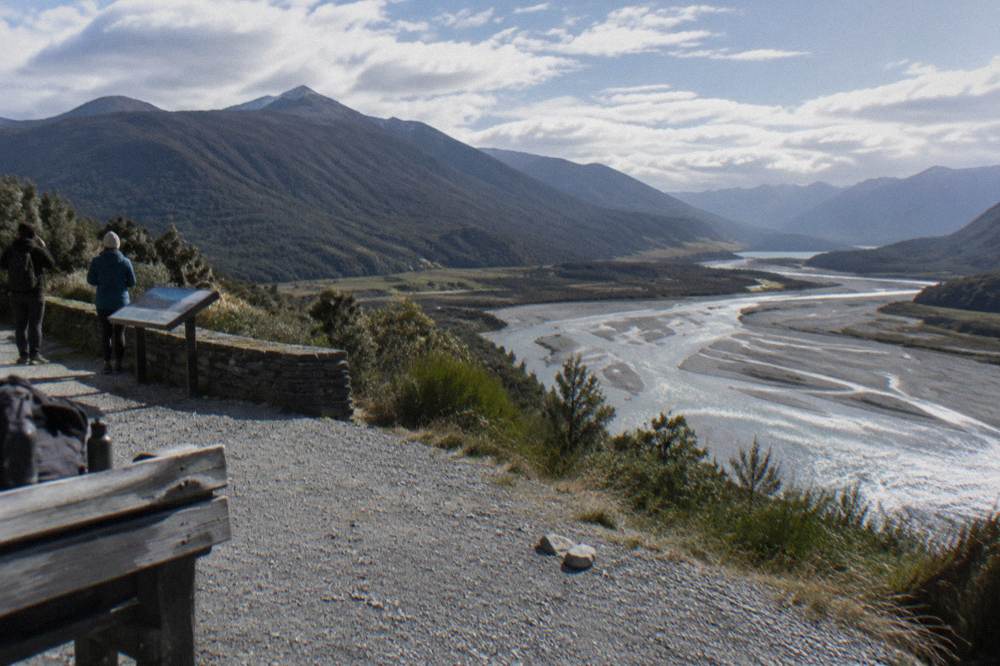
Treat the attribution as your filter. When a tour page says it stops at a place DOC independently lists, like Twelve Mile Delta, you have two sources agreeing. When a tour page names a scene location that no official source confirms, you have marketing shorthand for beautiful scenery, which can still be worth the fare but deserves to be understood as such. The Glenorchy Glenorchy Film Sites Tour pages on this site follow that rule throughout: every film claim is tied to the source that made it.
What About Hobbiton, Is That Anywhere Near Glenorchy?
No. The Hobbiton movie set is near Matamata in the North Island, hundreds of kilometres from Glenorchy, and no Glenorchy-area tour visits it. The Hobbit connections in this district are wild-landscape ones: Tourism New Zealand's Hobbit page credits Earnslaw Burn, reached from a challenging track beginning in Glenorchy, as where Bilbo and the Company continue their quest after departing Rivendell.
That distinction trips up a lot of trip planning, because "New Zealand Lord of the Rings tour" gets used for both the constructed set village in the north and the natural locations in the south. A Queenstown or Glenorchy tour is a scenery tour with film commentary and props; Hobbiton is a permanent set with a guided walk. Some travellers do both across a two-week itinerary, which is exactly the kind of trip Tourism New Zealand's own "Elven Magic" itinerary describes, but they are separate bookings on separate islands.
Among the local tours, the closest Hobbit tie is incidental: Pure Glenorchy's "Small Group" page mentions The Hobbit among its highlights alongside The Lord of the Rings and X-Men Origins, in that operator's wording. Dart River Adventures' jet boat page mentions The Lord of the Rings and The Chronicles of Narnia: Prince Caspian as films the area has featured in, also operator wording. Neither is a Hobbiton substitute, and neither claims to be.
How Much Does A Glenorchy Film Tour Cost?
Glenorchy film tours cost between $105.28 and $378.28 per person, with a median of $183.32 across the eleven priced per-person options. The two private tours charge by group instead: $311.51 for up to 4 guests on a 5-hour trip, and $1,134.82 for up to 9 guests on a 10-hour day, all with free cancellation at least 24 hours before the start.
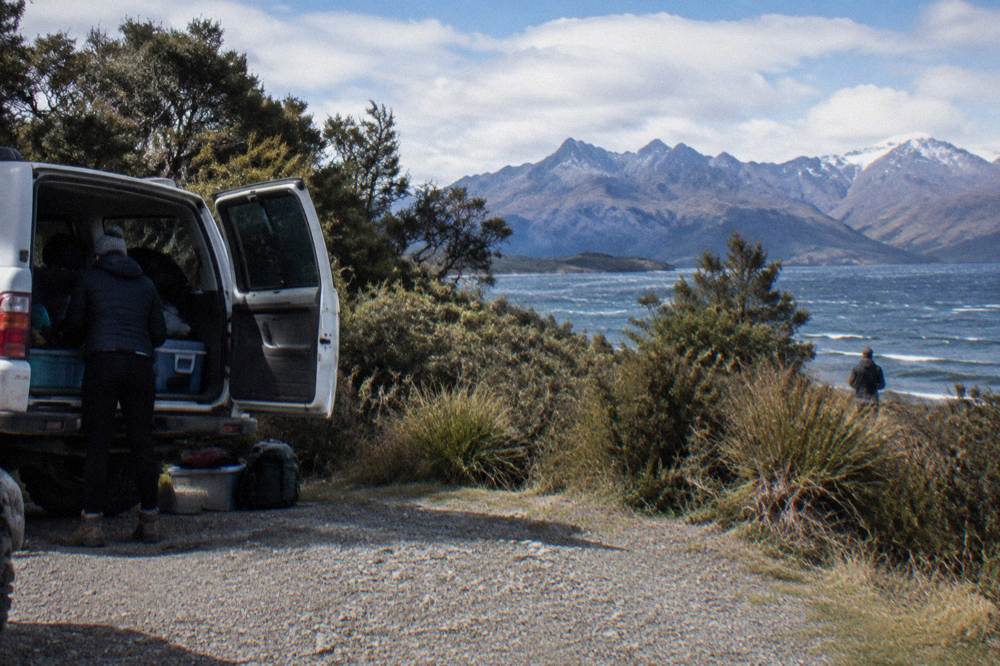
What moves the price is format, not film pedigree. The Altitude Tours half days, at $105.28 and $107.24 per person, are small-group trips with morning tea and costumes listed. Pure Glenorchy's twin half days sit at $116.42 and $124.26. The Nomad 4WD options carry a premium for the six-guest vehicle and the gravel-road legs. The full days cost the most per person but fold in Arrowtown, Skippers Canyon and the Gibbston side of the basin, which is where DOC and Tourism New Zealand place several more Otago locations. There is also a helicopter flight over landscapes the operator describes as Isengard and Lothlorien, with a glacier landing, which shows no price on its page, so this article prints none.
A note on the cancellation figure above, because it is the one number that applies universally here: the 24-hour free cancellation is stated on all 14 booking pages in this site's coverage, which makes comparing formats low-risk. Book the format you want, and if a better-fit tour surfaces you can usually switch without penalty up to the day before.
For readers weighing the spend against the free option, the honest framing is this: you can self-drive to Twelve Mile Delta and the Glenorchy foreshore for the cost of a rental day, and the views of Mount Earnslaw that Tourism New Zealand credits to The Two Towers are free from the village. What a tour adds is Paradise access without the gravel-road responsibility, prop and costume dress-up where the page lists it, and commentary that connects the landscape to the films. Whether that is worth the cheapest half-day fare of $105.28 per person or the full-day $378.28 is a format question, and the tour pages linked through this article price each one plainly.
Where Does The Dart Valley Fit In?
The Dart Valley, upstream of Glenorchy toward Mount Aspiring National Park, appears in the film record through operator and Tourism New Zealand wording rather than DOC's Otago location list. Pure Glenorchy's Small Group page says its route heads up the Dart Valley through "Paradise" to Isengard, and Dart River Adventures says the valley has featured in Lord of the Rings and Narnia films, in its own words.
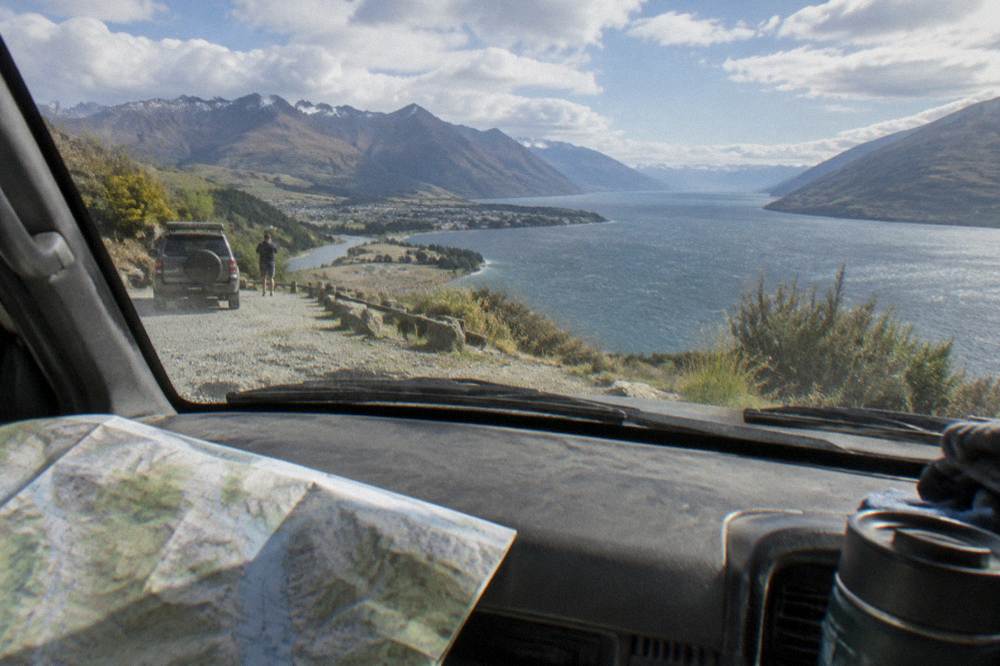
Two Dart River Adventures trips are covered on this site. The jet boat and wilderness trip, 4 hours from the operator's Glenorchy base at 45 Mull Street, from $185.65 per person and rated 4.8 across 607 reviews, carries that one-line film mention rather than a stop list. The longer canoe and jet boat day, 8 hours 15 minutes from $290.40 per person with a picnic lunch included, says travellers "see landscapes that featured as Middle-earth in The Lord of the Rings", again in the operator's wording. Neither is a locations tour in the Isengard-Lookout sense; they are river trips through the country the films used.
One standing notice belongs in this section because the Dart Valley is where it bites, even though it does not close any tour: DOC's Rees-Dart page reports the Dart Track closed indefinitely after a large slip in the valley between Daleys Flat Hut and Chinamans Bluff, and the upper Snowy Creek bridge removed for winter. Those are trampers' alerts on DOC's Rees-Dart page, not tour cancellations, and river trips have continued to run, but anyone planning to walk rather than ride in the valley should read that page first.
Common Questions About Glenorchy Film Locations
Was Lord Of The Rings Filmed In Glenorchy?
Yes. Tourism New Zealand credits Glenorchy's Mount Earnslaw views to the opening of The Two Towers and names the beech forest on the road to Paradise as Lothlorien, while DOC lists Isengard at Dan's Paddock off the Glenorchy Paradise Road and the Ithilien camp at Twelve Mile Delta on the Glenorchy-Queenstown Road.
Which Lord Of The Rings Locations Can You Actually Visit Near Glenorchy?
Twelve Mile Delta has a DOC campsite and a public track. The Glenorchy foreshore offers the Mount Earnslaw view that Tourism New Zealand credits to The Two Towers. Paradise can be reached by road, subject to the Paradise Trust's visitor terms, which include a $5 per person tariff. DOC does not state the land status of Dan's Paddock, so confirm current access with your operator before booking.
Do Glenorchy Tours Visit Isengard?
Several list stops they describe that way. Pure Glenorchy's booking pages list Isengard Lookout, Nomad Safaris names a photo stop it calls the Fortress of Isengard, and Altitude's Morning Tea Picnic page says the Isengard and Saruman's Tower locations are viewed in a place called Paradise. Each is operator wording about its own itinerary.
Is Paradise A Real Place You Can Drive To?
Yes, beyond Glenorchy on a road DOC describes as gravel past the sealed section. No official drive time exists for it. Part of the area is private land managed by the Paradise Trust, whose terms require signing the visitor book and paying $5 per person.
How Much Is A Glenorchy Lord Of The Rings Tour?
Per-person prices for the tours covered here run from $105.28 for Altitude's Morning Tea Picnic half day to $378.28 for Nomad's full-day 4WD with lunch and gold panning. Two private options price per group: $311.51 for up to 4 and $1,134.82 for up to 9.
Was The Hobbit Filmed Near Glenorchy Too?
Tourism New Zealand's itinerary says Paradise was the setting for Beorn's House in The Hobbit: The Desolation of Smaug, though its own Hobbit page captions Beorn's House differently, so the spot is not settled. Its Hobbit page also credits Earnslaw Burn, on a challenging track beginning in Glenorchy, as where Bilbo and the Company continue after Rivendell. Hobbiton itself is in the North Island.